
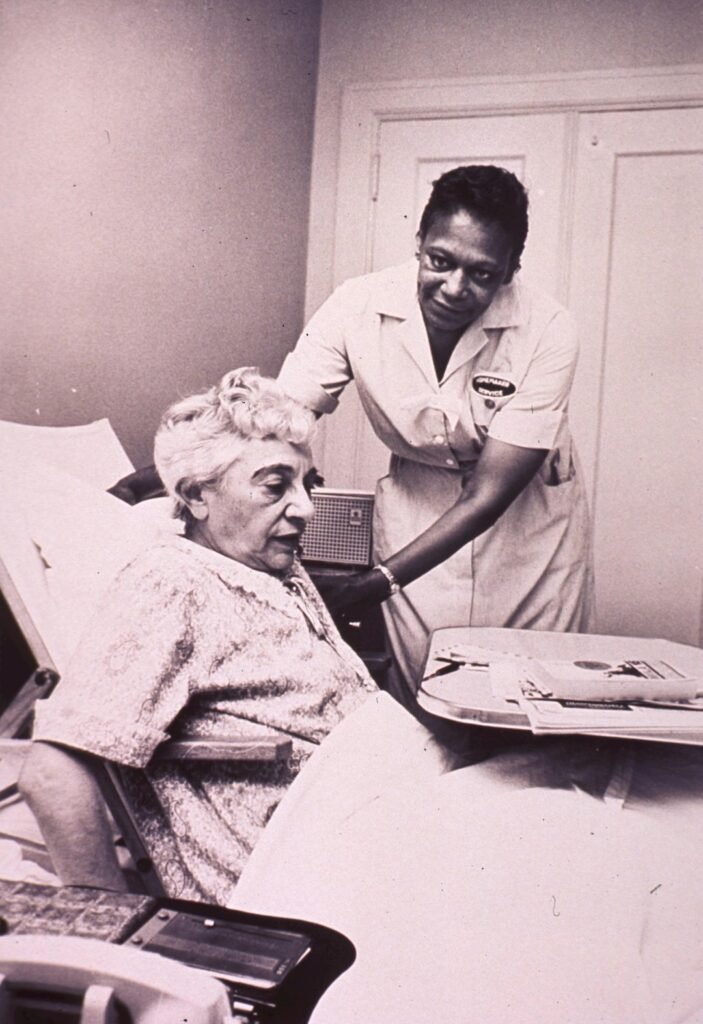
Coming home after surgery is often harder than the hospital stay itself. Wound care, medication timing, mobility restrictions, and watching for complications all fall on the family the moment discharge papers are signed — and most families have never done this before. Hiring a home nurse for this window is one of the most common decisions we help NCR families make, and also one of the easiest to get wrong if you don’t know what to check for.
Here’s what actually matters when you’re choosing a home nurse for post-surgery recovery, not just what an agency’s brochure says.
Match the Nurse to the Type of Surgery, Not Just “Nursing Experience”
Recovery from a knee replacement looks nothing like recovery from a cardiac bypass or an abdominal surgery. Before you hire, ask specifically what kind of post-operative cases the nurse has handled — wound dressing frequency, drain management, and mobility support all differ by procedure. A general caregiving background is not the same as post-surgical nursing experience.
- Orthopedic surgery (hip/knee replacement) — needs someone comfortable with mobility assistance, physiotherapy coordination, and fall-prevention.
- Cardiac surgery — needs vital-monitoring discipline and medication-timing accuracy.
- Abdominal/major surgery — needs proper wound and drain care, and the judgment to spot infection early.
- C-section recovery — needs both wound care experience and comfort supporting a new mother alongside newborn care.
What a Post-Surgery Home Nurse Should Actually Be Able to Do
Before hiring, ask the agency to confirm the nurse can independently handle each of these — not just “assist”:
- Wound dressing and monitoring for signs of infection (redness, discharge, fever)
- Medication schedule management, including painkillers and any time-sensitive doses
- Vital signs monitoring — BP, pulse, temperature — especially in the first week
- Mobility support to prevent falls while following the surgeon’s movement restrictions
- Recognizing red-flag symptoms that need an immediate call to the doctor, rather than waiting it out
If an agency can’t clearly answer how they train or vet for these, that’s a sign the “nursing” on offer is closer to general attendant support. That distinction matters more than most families realize going in — we’ve covered it in detail in Home Nursing vs Hospital Attendant Service: What’s the Real Difference.
Questions to Ask Before You Hire
- Has this nurse handled this specific type of surgery recovery before, and how recently?
- Is she trained to identify complications, or only to follow a fixed daily routine?
- What happens if the assigned nurse is unwell on a given day — is there a backup?
- Is she comfortable coordinating with the operating surgeon or hospital if a question comes up?
- Is the arrangement live-in, 12-hour, or 24-hour, and does that match what your recovery timeline actually needs?
Red Flags to Watch For
- The agency assigns “whoever is available” without matching to your specific surgery type.
- No clear escalation process if something looks wrong during recovery.
- Vague answers about verification, training, or experience when asked directly.
- Pricing that’s noticeably lower than every other option in the same city — post-surgical nursing requires more skill than general home care, and that shows up in cost.
How Long Do You Actually Need a Nurse For?
This depends entirely on the procedure and the patient’s age and general health, and a good agency will tell you this honestly rather than pushing a longer package. As a rough guide: minor day-care procedures may need only a few days of support, joint replacements and major abdominal surgeries typically need 2–4 weeks of active nursing care, and elderly patients or those with additional health conditions often need longer. The right approach is a short initial assessment call with the nurse or agency, followed by a week-by-week review rather than committing to a long fixed package upfront.
Why This Decision Shouldn’t Be Rushed
Families often hire in a hurry right after discharge, when there’s no time to properly vet anyone. The better approach — if surgery is planned in advance — is to start this conversation with an agency before the operation, not after. For ongoing home nursing needs beyond the immediate recovery window, our Home Nursing Care at Home in Delhi page covers what’s included and how placements work across NCR.
Frequently Asked Questions
Q: Can a home nurse replace hospital-level post-surgery care?
A: For most standard recoveries, yes — a trained home nurse can manage wound care, medication, and monitoring at home. Complex or high-risk cases may still need periodic hospital follow-up, which the nurse should help you track, not replace.
Q: How soon after surgery should the nurse start?
A: Ideally from the day of discharge. The first 48–72 hours are usually when complications are most likely to show up, so having trained support in place from day one matters most.
Q: What if the patient’s condition changes during recovery?
A: A properly trained nurse should recognize changes early and escalate to you and the treating doctor immediately — this is exactly why matching experience to the type of surgery matters so much when hiring.
Planning a surgery and want a nurse arranged in advance, matched to the actual procedure? Reach out to us and we’ll walk you through the right level of care for your family’s situation, anywhere in Delhi NCR.